A Q&A with Greenridge’s Founders: “Relationships compound more than capital”
In a real estate world in which investment management is being whittled down to a few bigger houses, the news Greenridge raised its debut discretionary fund in the eye of the capital raising storm in 2023 caught more than a few people by surprise.
The Greenridge Opportunities (GO) fund launched with a target of £150m, which has been raised from overseas investors, including Middle Eastern investors where the firm has a base. GO has invested in office, leisure and retail opportunities while the market has stuttered in recent years. The countercyclical moves are very Greenridge.
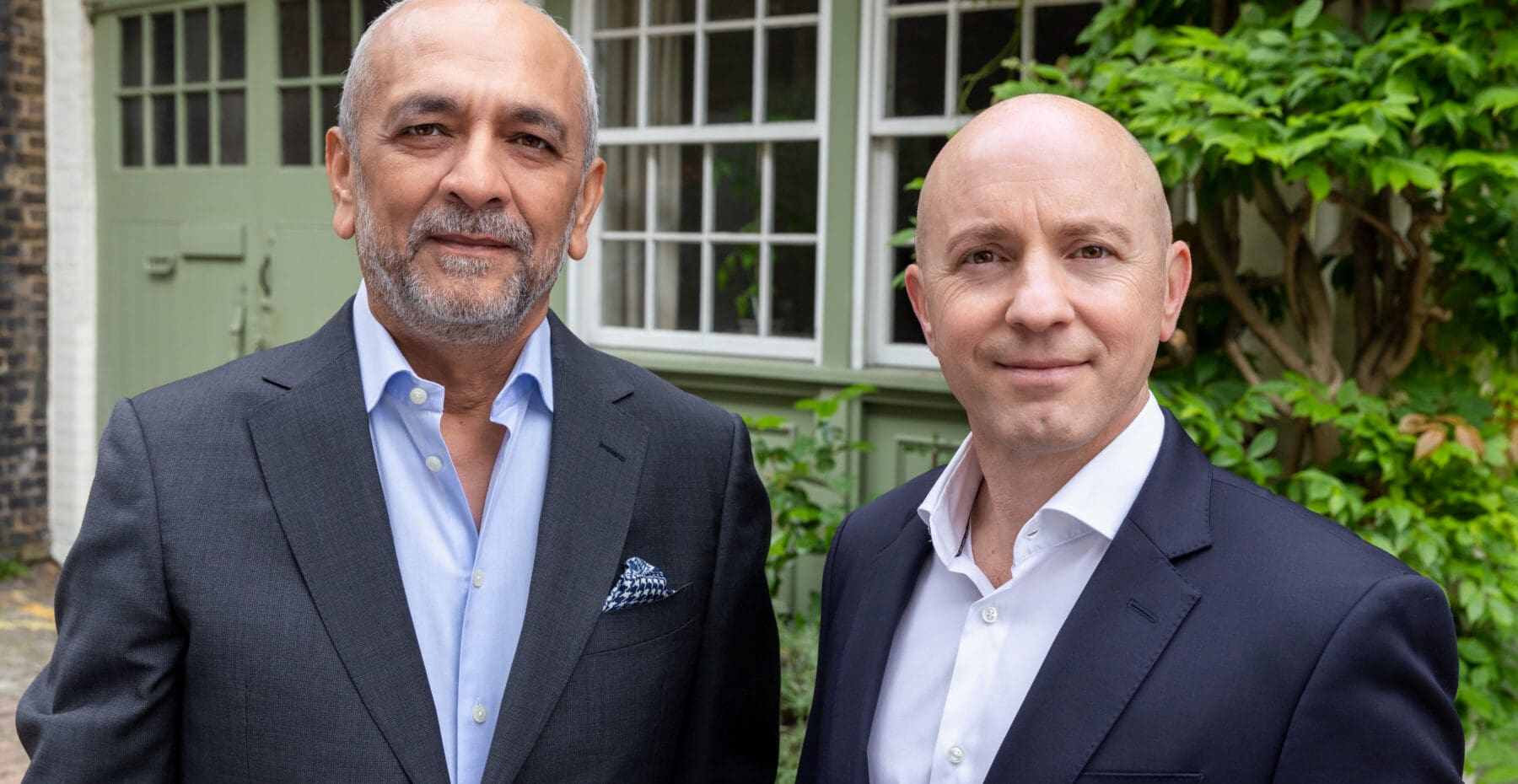
Established over 30 years ago by Bik Bhuptani and Paul Simmons, the boutique investment management business has built a reputation for unearthing deals that deliver value for their investors regardless of market conditions. Building up a portfolio of what were at the time, relatively unloved retail parks and then securing a £180m exit to Realty Income Corporation is a prime example of the firm in action.
This cycle they have already bought high street retail, regional offices and leisure – fairly different to the same old ‘beds and sheds’ mantra trotted out by the bigger investment management shops.
Green Street News caught up with Simmons and Bhuptani to find out how the look for opportunities and how they are pushing Greenridge forward after three decades.
Why did you decide to launch Greenridge in the early 1990s?
Bik Bhuptani (BB): When Paul and I met, we had something in common, which was that we wanted to try and create passive income, which persists regardless of market cycle or government. You don’t need to be a millionaire to live like one if you have stable income was our belief.
Paul Simmons (PS): At the very beginning, it was about creating a capital pot. If you’re starting with absolutely zero or close to zero, as we were, then you need to grow a capital base quickly. And then once we got to that point, it was about creating income. I would say the drive is the same today – our primary focus is still on income-producing but mispriced assets. The main difference is we’re working more closely in partnership with longer-term investors.
How did you fund those initial deals?
PS: Credit with help from the Bank of Mum and Dad. Back in those days; it was very easy to get a 90% loan facility. Plus, the transaction costs were minimal. Regency Court in Birmingham, the ADT building, was one of our very first deals. The deal size was £1.25m. I think in the end we put in a £150,000 of equity. I was in my mid-20s, signing a loan document for over £1m, which felt quite surreal.
BB: At the time, getting 35% cash-on-cash, it didn’t seem like a big deal. But it was. Didn’t seem like a eureka moment, though did it Paul? The epiphany from that deal was that we thought there must be someone out there who’d be happy with less than 35%. Once we met investors happy with 15% cash-on-cash, it didn’t take many of those deals to accumulate into quite a lot of capital that could be recycled into bigger and better deals. That’s how Greenridge really started to get going.
“We have material skin in the game in every deal we do. Everywhere where an investor puts their money, we’re in there with them.”
Bik Bhuptani
When did you start to scale Greenridge into third-party capital management?
BB: Post-GFC, the lenders were still out of the market, and a deal came across our desk that we liked the look of. It felt cheap, so we phoned up a few contacts and said, “Look, we really quite fancy this. We’ll commit some capital, you commit something and we’ll buy some fundamentally cheap real estate.” Through this investor club we bypassed debt and did the deal with just equity. We didn’t make a huge amount of money on the exit – but the concept to achieve funding diversification from different capital pots while continuing to commit our own money was the real defining moment for us. In the 2010s we then scaled the platform meaningfully to include third-party capital, including managing fully discretionary capital.
PS: That’s when we started building external capital sources, because gone were the days of getting 90% finance. Bik and I put our money together with other investors to target opportunities that seemed out of reach to others due to financing illiquidity. All deals, however, were always predicated on our money going in too – a model we continue with today.
BB: The story was simple that by combining these pools of equity and our own capital, we could invest in a segment of the lower-middle market where there is less competition. We were above the shopkeepers buying at auction. We were well below the institutional big deals and also lacked the overhead burden of a larger PE firm with lots of mouths to feed.
Why would you say Greenridge continues to succeed in a tough environment for Investment Managers?
BB: There are three things we tell our investors we focus on.
One is capital discipline. Risk is boring, but it’s got to be considered first.
Alignment is the second; we’re invested in every deal. We’re invested in the fund; we’re in any co-invest. We have material skin in the game in every deal we do. Everywhere where an investor puts their money, we’re in there with them.
The third is about culture. We’re emotionally attached to the assets we buy and the money that we invest. That becomes infectious in the office. Everyone is invested in one way or the other, either through a direct investment or through carry. Everyone’s in it.
Relationships compound much quicker than returns, therefore when you meet investors you’ve worked with for 10-15 years, it becomes easier to pitch the latest idea or deal.
“We bought a Buchanan Street asset in Glasgow – that’s the second busiest high street in the UK – at an 8% net initial yield a few years ago. If you don’t know that’s a good deal, you shouldn’t be in this business.”
Paul Simmons
How have you continued to pick good deals over a 30-year window?
PS: If you look back at our track record, you could argue we’re somewhat thematic but we’re always been fundamentals-led. We’ve been agile enough to shift around because over 30 years, it hasn’t always been the same asset class or geography we’ve targeted.
There’s always been something going on somewhere in terms of politics or the economy. As a result, we’re much more cycle-driven – looking at how different cycles play out in different sectors and markets at different times – as opposed to being purely product-driven. We bought a Buchanan Street asset in Glasgow, and that’s the second busiest high street in the UK, at an 8% net initial yield a few years ago. If you don’t know that’s a good deal, you shouldn’t be in this business.
BB: It’s important to say that it is not fee-driven investment management. We’re in it to invest our own capital and generate returns, meaning we’re always looking at how we exit these deals. It’s about how do we survive the bad times because they’re going to come, and not always about making a maximum amount of hay in the good times.
PS: We had a five-year business plan on Buchanan Street. We sold in a year. We had a longer business plan on the retail warehousing. We sold that earlier than planned because it made sense. On the flip side, sometimes we’ve held onto stuff for longer than originally planned. If you’re adaptable and agile, there’s always space in the market to do good deals.
How has final raising for the GO fund gone? Would you consider a second fund?
PS: We’re going through a final fundraising exercise for GO. By the end of Q2, we should have hit the £150m target. We’ve already made a raft of good investments, but we will still have significant firepower left to deploy.
BB: The thesis of GO, when we launched in August ’23, was not just a market play, although 5-year swap rates were north of 5% and were expected to come down. We are adding value to the real estate we buy during the hold period. Financing costs have come down, and other buyers are gradually returning.
However, if we launched a second fund today, I’m not sure the same investment opportunity exists. For our first GO fund, there was a three-year opportunity with interest rates high and competition low. If we do launch an income-related fund, which is what GO is, we’d look to offer a different return profile. Across our wider portfolio, we manage everything from core to value-add strategies.
Is real estate still as fun as it was when you set up 30 years ago?
PS: I’ll tell you what I’ve learned; the peaks and troughs when you’re new are intense. The peaks are incredibly high and the lows are crippling. Today it’s a different type of enjoyment. It’s the people, they’re our most valuable asset and what bring me enjoyment these days.
BB: We’ve mentored so many people who’ve become very successful as a result – and that’s the fun of it. We’ve got young people joining the team in their 20s and 30s and dealing with them and seeing their perspective on life is fascinating. Absolutely fascinating. We learn from them daily.
Read the full interview on Green Street News.